

3. From intuitive understanding to step-by-step guidance
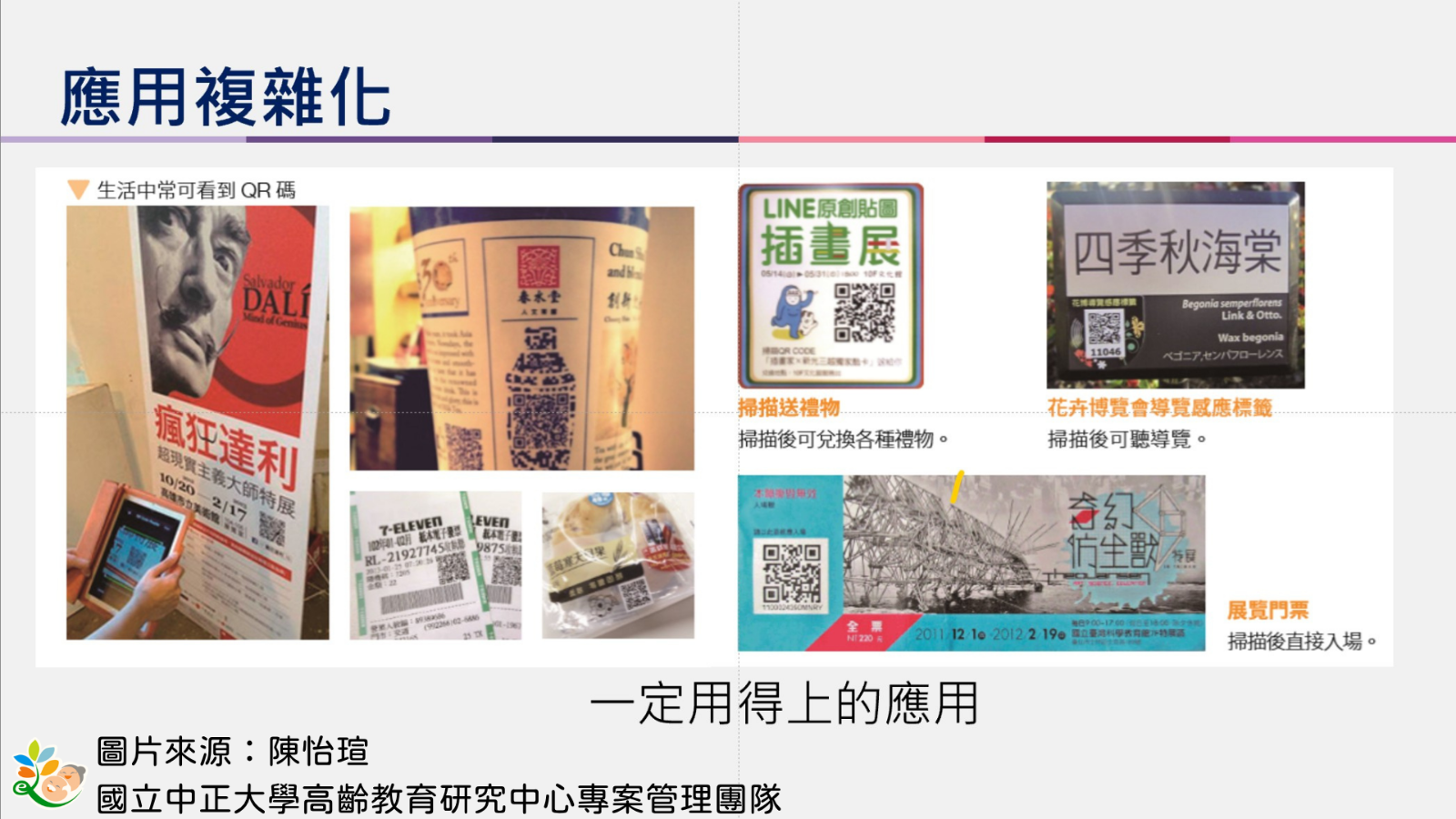
For many middle-aged and older adults, digital interfaces are not always intuitive or user-friendly. Moreover, many apps are designed with younger users in mind, which often makes them more difficult to navigate for older learners.
Some tasks require a clear breakdown into smaller steps. When doing so, it’s best to limit the steps to no more than five, and avoid rushing. Don’t expect someone to master the task just by watching you do it once. Instead, guide them with a clear and logical sequence.
One key principle: let them do it themselves.
Our role is to patiently accompany them, guiding each step as needed, but always allowing them to take action on their own. Only through hands-on experience can true learning happen.
This process is not just about acquiring digital skills—it is a warm journey of mutual understanding and shared growth between generations.

4. From Technical Value to Emotional Value
When we teach someone how to use a function—whether it's taking photos with a smartphone or sending images through LINE—it’s not just about technical progress. What truly matters is the connection behind the skill: their ability to share moments with friends and stay in touch with family.
Our presence and support in this process are deeply meaningful. Their progress is not only functional but emotionally significant. The mutual encouragement exchanged during learning creates emotional value—that is what makes digital empowerment truly moving and impactful.
5. Allow Room for Trial and Error, and Build Media Literacy
Making mistakes is a natural part of learning, and for adult learners, learning through errors can be the most valuable kind. As companions, we should resist the urge to immediately step in or criticize. Instead, we should allow space for trial and error. Our patience helps build their confidence and willingness to continue learning.
In addition, as we guide others in using digital tools, we must also help them develop media literacy—including recognizing misinformation, verifying sources, and avoiding scams. Since most new media is embedded within digital platforms, helping learners build media awareness is an essential task. It not only protects them but also equips them with the critical skills needed to fully participate in modern society.
A Bridge for Intergenerational Dialogue: Sharing Values through Co-learning, Passing Wisdom through Interaction
1. Skills and Experiences Beyond the Digital World
Life is far more than digital. Everyone holds unique experiences and expertise that may not immediately shine in the digital realm but are nonetheless invaluable. These could include traditional skills like tea ceremony, flower arrangement, gardening—or intangible qualities such as interpersonal communication, resilience in the face of challenges, or graceful acceptance of loss. Sharing these life experiences across generations offers tremendous value.
2. Life Wisdom Before the Digital Era
Was life impossible before digital tools? Certainly not. People used notebooks to memorize phone numbers, planned their schedules manually, maintained relationships without instant messaging, and even navigated the world with paper maps in hand. This slower, deeper way of living carries a kind of wisdom and rhythm that modern, fast-paced digital life often overlooks. When viewed with appreciation, what may seem like “wasting time” could in fact be a refined way of savoring life.
3. Understanding and Respecting the Younger Generation (Digital Natives)
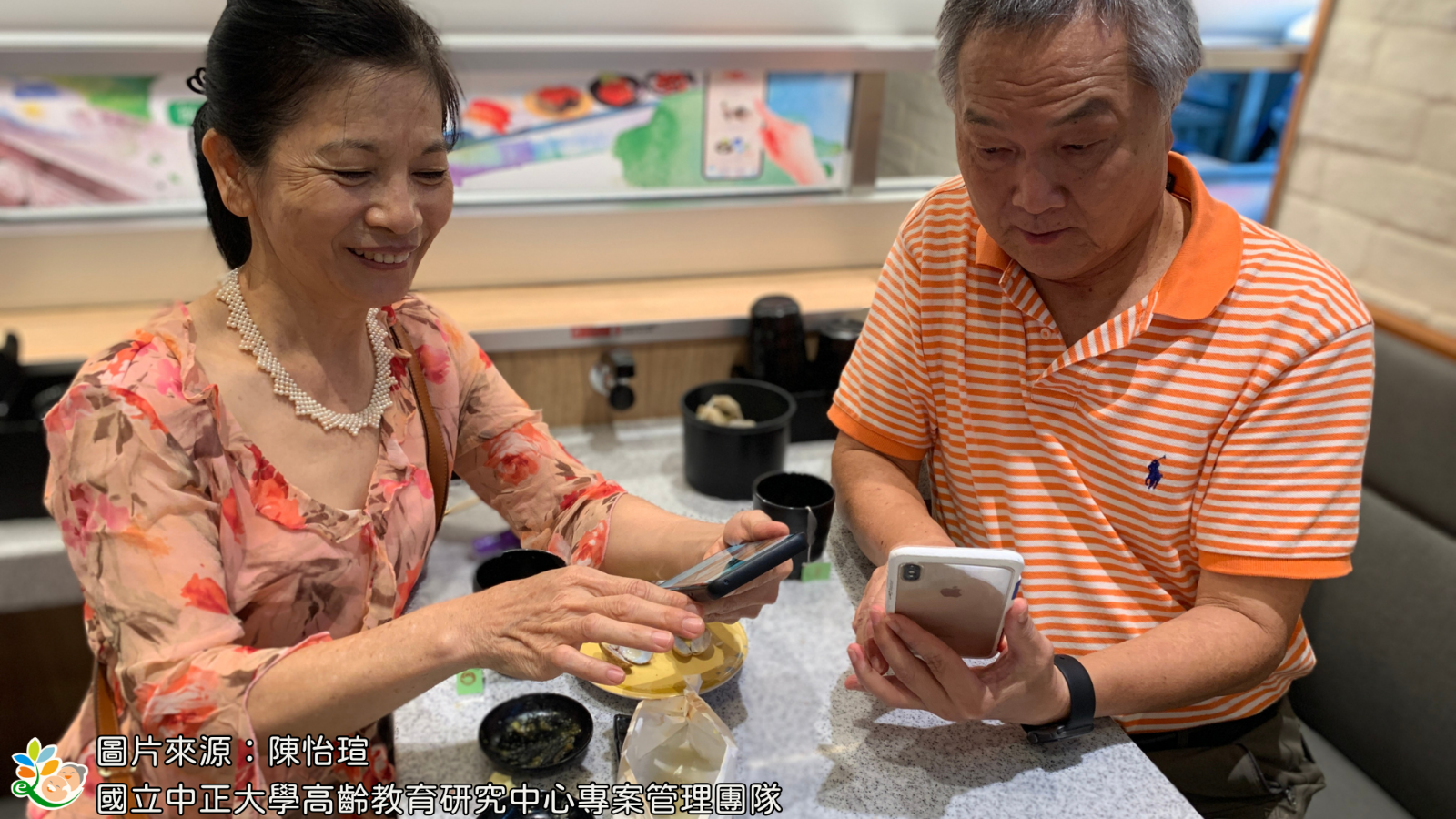
With companionship comes courage to try. Mobile ordering, e-payments, digital tickets, and social media communication—these are integral to the daily lives of the younger generation. If we can accompany older adults through the awkwardness of their first-time use, they may also come to appreciate the lifestyle of digital natives. Mutual understanding and respect can foster more harmonious intergenerational relationships.
Though digital technology is a tool, in the process of companionship between the young and the old, it becomes a bridge of connection. By experiencing society together and sharing everyday life, we can begin a beautiful journey of mutual benefit. Technology has never been just a cold screen—it is a warm medium for connecting hearts.
Further Reading:
In Chinese
In English
- Prensky, M. (2001). Digital Natives, Digital Immigrants. On the Horizon, 9(5), 1–6.
- Helsper, E. J., & Eynon, R. (2010). Digital natives: Where is the evidence?. British Educational Research Journal, 36(3), 503–520.
- Charness, N., & Boot, W. R. (2009). Aging and information technology use: Potential and barriers. Current Directions in Psychological Science, 18(5), 253–258.
- Bennett, S., Maton, K., & Kervin, L. (2008). The ‘digital natives’ debate: A critical review of the evidence. British Journal of Educational Technology, 39(5), 775–786.
- Livingstone, S., & Helsper, E. J. (2007). Gradations in digital inclusion: Children, young people and the digital divide. New Media & Society, 9(4), 671–696.